Theraplay Explained: Activities and Benefits
In this guide
- What Is Theraplay?
- Is Theraplay the Same as Play Therapy?
- The Four Key Dimensions of Theraplay
- What Are the Benefits for Children and Families?
- What Age Is It Suitable For?
- Can Outdoor Play and Trikes Help?
- How Can Parents and School Staff Learn More?
- What Happens During a Professional Session?
- Four Playful Activities for Building Connection
- How to Make Play Inclusive and Trauma-Aware
- How Can You Tell Whether It Is Helping?
- Conclusion
- Frequently Asked Questions
In England, over one million children had a referral to mental health services in 2024/25, according to an October 2026 House of Commons Library report. With demand for support rising, parents and teachers are looking for ways to help children feel safe, connected and understood.
Theraplay is one specialist approach that uses guided play to strengthen the relationship between children and their parents or carers. Built around four principles – structure, engagement, nurture and challenge – it focuses on trust, shared enjoyment and emotional connection.
Unlike ordinary play activities, Theraplay is delivered by appropriately trained practitioners, with carers actively involved. It can be adapted to children’s individual communication and sensory needs.
But how does Theraplay work, and what benefits can families realistically expect?
This guide explores its key principles, practical activities, potential benefits and important advice for UK parents and education staff.
Play Therapy Course Level 3
Want to explore play-based approaches further? Develop your understanding of children's emotional wellbeing with our Play Therapy Course Level 3.
View the CourseWhat Is Theraplay?
Theraplay is a structured, attachment-focused form of child and family therapy that helps strengthen relationships through guided play. Developed by psychologist Ann Jernberg, it uses simple activities to encourage trust, emotional connection and positive experiences between children and their parents or carers.
Unlike traditional talking therapies, Theraplay does not require children to explain difficult feelings in words. Instead, a trained practitioner observes how the child and carer interact and guides activities based on four principles: structure, engagement, nurture and challenge.
For example, a shared rhythm game may encourage connection, while a gentle teamwork activity can help build confidence. Every activity should respect the child’s comfort, communication style and personal boundaries.
According to the Theraplay Institute, this is a specialist therapeutic approach involving carers, not simply ordinary classroom play.
The goal is meaningful connection, not perfect behaviour.
Is Theraplay the Same as Play Therapy?
Not exactly. Play therapy is a broad term covering different ways professionals use play to support children’s emotional wellbeing.
This is one specific model. It is usually adult-led, relationship-focused and involves a parent or other important carer. Some other forms of play therapy give children more freedom to choose activities and express themselves through toys, stories or art.
The difference matters. A teacher using puppets to discuss feelings is providing classroom support, not clinical treatment. Likewise, a parent playing a bonding game at home is not automatically delivering therapy.
Anyone considering a play therapist course should understand these professional boundaries before working with vulnerable children.
The Four Key Dimensions of Theraplay
The model is built around four qualities of a supportive child–adult relationship. The official guide to its four dimensions explains how each one works.

1. Structure: Helping Children Feel Safe
The adult provides clear, gentle guidance. Simple routines, predictable steps and calm instructions can help a child know what to expect.
For example, an adult might lead a short clapping game with a clear beginning and end.
2. Engagement: Enjoying Time Together
Engagement means paying attention and sharing enjoyable moments. A playful rhythm game or copying each other’s movements can create a feeling of connection.
The child should feel noticed, not tested.
3. Nurture: Showing Warmth and Care
Nurture involves helping a child feel valued and comforted. This might include a warm voice, kind words or a calming activity.
Physical contact must always suit the child’s wishes, needs and safeguarding arrangements. Never force hugs, holding or eye contact.
4. Challenge: Building Confidence
Small, achievable challenges give children chances to try something new with support.
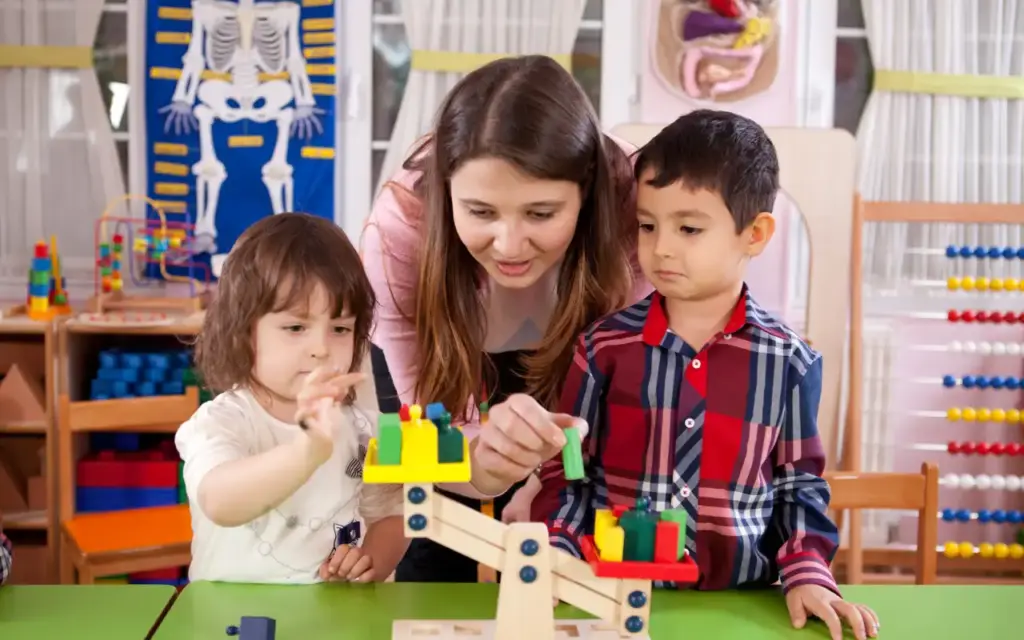
A simple balancing or teamwork game may help them experience success without pressure. Adults should adjust the difficulty and celebrate effort rather than demand perfect results.
What Are the Benefits for Children and Families?
Possible benefits include stronger child–carer relationships, more positive shared experiences, greater confidence and opportunities to practise emotional regulation.

Some families may also find it easier to notice when a child needs comfort, space or reassurance. These outcomes are goals, not guaranteed results.
What does the research say? A 2026 systematic review found that evidence for treating trauma-related symptoms with this specific method remains very limited. Its two included studies involved only four children.
The UK’s Association for Child and Adolescent Mental Health also highlights the need for stronger research before firm conclusions can be made.
This is why families should discuss their child’s needs and suitable support options with a qualified professional.
What Age Is It Suitable For?
Young children may respond well to simple movement, songs and playful routines. Older children and teenagers may also be offered adapted relationship-based activities. Age alone does not decide whether the approach is suitable.
A trained practitioner should consider development, communication, sensory needs and family circumstances before recommending treatment.
For children who repeat words or phrases, our guide to Echolalia: What It Is and How to Respond offers ideas for respectful communication.
Can Outdoor Play and Trikes Help?
Outdoor play offers more than fresh air. UK physical activity guidelines recommend that children aged 5–18 aim for an average of 60 minutes of physical activity each day across the week. Riding, exploring and playing together can support physical development, confidence and family bonding.

For younger children, a bicycle or tricycle can create enjoyable moments with a parent or carer. A bicycle tricycle may help children practise balance and coordination, while adults offer encouragement and celebrate their efforts.
Families exploring bicycle trikes, a cycle trike or trike bikes should choose age-appropriate equipment, provide supervision and use safe riding areas.
These activities can encourage shared enjoyment and connection, but they are not Theraplay treatment. Unlike everyday outdoor play, Theraplay involves a trained practitioner and planned therapeutic support.
The key is connection, not performance: let children explore at their own pace, respect their choices and make shared play enjoyable.
How Can Parents and School Staff Learn More?
Parents and carers are central to the specialist approach. In school, staff can use ordinary relationship-building games within their role, but they should not present these as a clinical session.
Our planned pillar guide, Therapeutic Play in Schools: What It Is and How to Use It, will explore safe, practical classroom support.
If you are looking for a play therapist course to build your knowledge, The Teachers Training’s Play Therapy Course Level 3 introduces child-centred play, emotional wellbeing and safeguarding awareness.
It is CPD-focused learning, not professional certification to deliver this specialist therapy. Becoming a qualified practitioner requires separate training, supervised practice and appropriate professional recognition, as explained in the specialist certification guidance.
What Happens During a Professional Session?
A qualified practitioner begins by learning about the child, their relationships, strengths and support needs. They may use an observation-based assessment to plan activities with the family.
During theraplay, the practitioner leads short games while helping the parent or carer notice the child’s signals. Activities may involve movement, shared attention or quiet moments of connection. A child should never be pressured to accept touch, speak or make eye contact.
The official treatment guide describes parent-only reviews after every three child sessions. Its typical programme involves 19–28 sessions, plus follow-ups. This is the Institute’s example, not a fixed UK rule; an individual plan may differ.
Four Playful Activities for Building Connection
These are everyday relationship-building games, not a substitute for clinician-led therapy. Parents and education staff can adapt them to suit each child’s interests and comfort.

These approaches support creating a communication-friendly classroom where pupils feel respected.
1. Follow the Rhythm
Tap a gentle beat on a table and invite the child to join or choose a new rhythm. Take turns leading. Keep the game short and stop when the child has had enough.
2. Copy My Move
One person makes a simple movement; the other copies it. Children can use hands, facial expressions, a toy or a communication aid. Nobody needs to maintain eye contact.
3. Choose a Kind Message
Offer picture cards showing supportive messages, such as “I enjoy spending time with you.” Let the child choose one, create their own or simply listen. Avoid demanding a hug or response.
4. Build a Team Tower
Take turns adding blocks to a tower. The goal is shared fun, not winning. If it falls, laugh together if the child finds that enjoyable, or help rebuild calmly.
Tip: Let the child lead, pause or opt out. A game is only helpful when it feels safe and enjoyable.
How to Make Play Inclusive and Trauma-Aware
These activities should never be used to make neurodivergent children appear more typical. Focus on connection and each child’s preferred way of communicating.
- Offer visual choices and simple instructions.
- Respect sensory needs, personal space and requests for breaks.
- Allow gestures, communication aids or quiet participation.
- Avoid forced physical contact, eye contact or compliance.
- Ask children and carers what feels comfortable.
If a child uses repeated phrases, read our guide to Echolalia: What It Is and How to Respond for respectful communication ideas.
For a broader school approach, see our forthcoming pillar guide, Therapeutic Play in Schools: What It Is and How to Use It.
How Can You Tell Whether It Is Helping?
Look for changes that matter to the child and family, rather than expecting instant behaviour changes. A parent might notice that the child feels more comfortable sharing a game, asks for a break or seeks support when upset.
Record a starting point, agree on a few realistic goals and review them with the practitioner. If sessions cause ongoing distress, raise this promptly. The evidence base is still developing, so improvement should not be promised.
Play Therapy Course Level 3
Want to explore play-based approaches further? Develop your understanding of children's emotional wellbeing with our Play Therapy Course Level 3.
View the CourseConclusion
Theraplay is built around four key principles: structure, engagement, nurture and challenge. These guided interactions aim to strengthen child–carer relationships, but research into their effectiveness is still developing. No single activity can guarantee emotional or behavioural improvements.
The real value lies in everyday moments of connection. A shared laugh, a gentle game or a child feeling comfortable enough to ask for help can be meaningful steps towards building trust.
For parents and UK education staff, start with simple, enjoyable activities that respect each child’s communication style, sensory needs and personal boundaries. Seek guidance from a qualified practitioner when specialist support is needed.
Want to explore play-based approaches further? Discover our Play Therapy Course Level 3 to develop your understanding of children’s emotional wellbeing.
The goal isn’t perfect behaviour. It’s helping every child feel safe, heard and valued.
Frequently Asked Questions
Can Teachers Deliver Theraplay in School?
Teachers can lead supportive play activities, but specialist treatment needs appropriate professional training, assessment and supervision. School staff should follow safeguarding procedures and refer families when clinical help may be needed.
Can Riding Toys Support Shared Play?
Yes, when a child enjoys them and the setting is safe. Searches for bicycle tricycle, bicycle trikes, cycle trike and trikes bikes describe play equipment, not therapeutic methods.
Whether choosing a bicycle tricycle, comparing bicycle trikes, selecting a cycle trike or browsing trikes bikes, follow age guidance and supervise play. Riding together can be enjoyable, but it is not a replacement for treatment.
Does a Play Therapist Course Qualify Me to Practise?
No single play therapist course automatically qualifies someone to deliver this named intervention. The Theraplay Institute sets out separate professional accreditation and certification requirements.
If you want introductory learning about children’s wellbeing and play, explore The Teachers Training’s Play Therapy Course Level 3. It can support wider understanding but is not specialist certification.