




 All Courses for £49
 14-Day
Money-Back Guarantee
14-Day
Money-Back Guarantee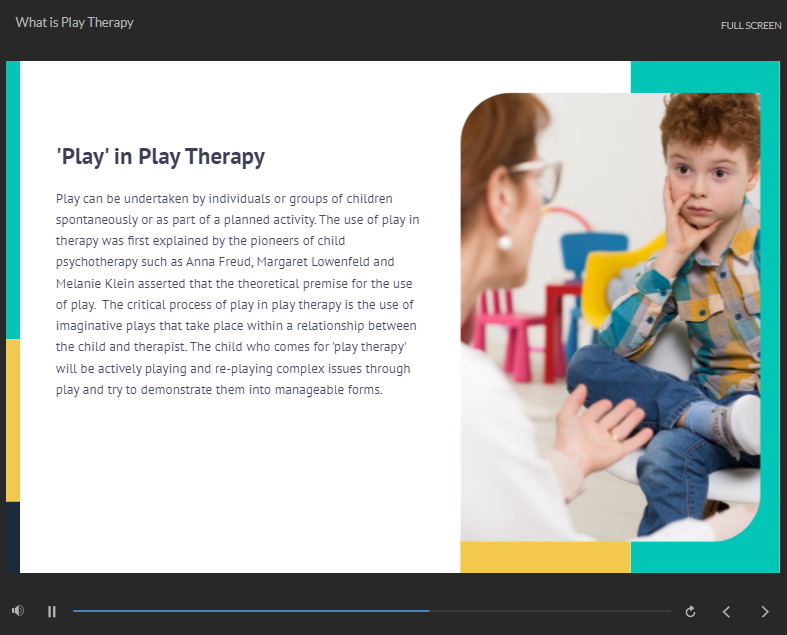
This CPD-accredited Play Therapy Course Level 3 provides structured training in therapeutic play to support children’s emotional wellbeing and mental health. Designed for UK education, care and support settings, the course equips you with practical knowledge, trauma-informed frameworks and safeguarding-aware techniques to work confidently with children through play.
This Play Therapy Level 3 course focuses on therapeutic play as a recognised child-centred intervention used to support emotional regulation, anxiety, behavioural difficulties and recovery from adverse experiences. You will develop a clear understanding of how play therapy works, when it is used, and how it supports children across schools, SEN provision and care environments.
Through this online play therapy training, you will learn how to plan and deliver structured play-based sessions, interpret emotional themes expressed through play, and apply supportive strategies for vulnerable children affected by trauma, grief, neglect or instability.
If you are looking for a play therapy course, play therapist course, or therapeutic play training that provides a recognised Level 3 foundation, this programme offers a strong CPD pathway into child mental health and wellbeing support roles.
What Is Play Therapy?
Play therapy is a child-centred approach that uses play as a therapeutic medium to help children express emotions, process experiences and develop coping strategies. It is commonly used in UK education, SEN and care settings to support children who may struggle to communicate verbally due to emotional distress, trauma or developmental stage.
This Play Therapy Course Level 3 introduces therapeutic play principles and safe practice boundaries, helping learners understand how play-based support is used responsibly within professional roles.
How Play Therapy Works in UK Child Support Settings
Play therapy uses play as a developmentally appropriate way for children to express feelings they may not be able to explain in words. In UK settings, therapeutic play can be used to support children in schools, early years provision, SEN environments and care contexts by helping to:
Build emotional vocabulary and self-regulation
Reduce anxiety and improve coping strategies
Explore experiences safely through symbolic play
Strengthen confidence, relationships and behaviour support
Identify when children may need additional support or referral
This Level 3 course helps you apply therapeutic play principles responsibly within professional boundaries, with an emphasis on safe practice, safeguarding awareness and supportive intervention.
Course Overview
This Play Therapy Level 3 Certification is structured into professionally designed modules covering therapeutic play principles, child-centred approaches and trauma-support strategies, including:
Core principles, aims and outcomes of play therapy
Models and approaches used in therapeutic play practice
Creating safe play settings and selecting appropriate materials
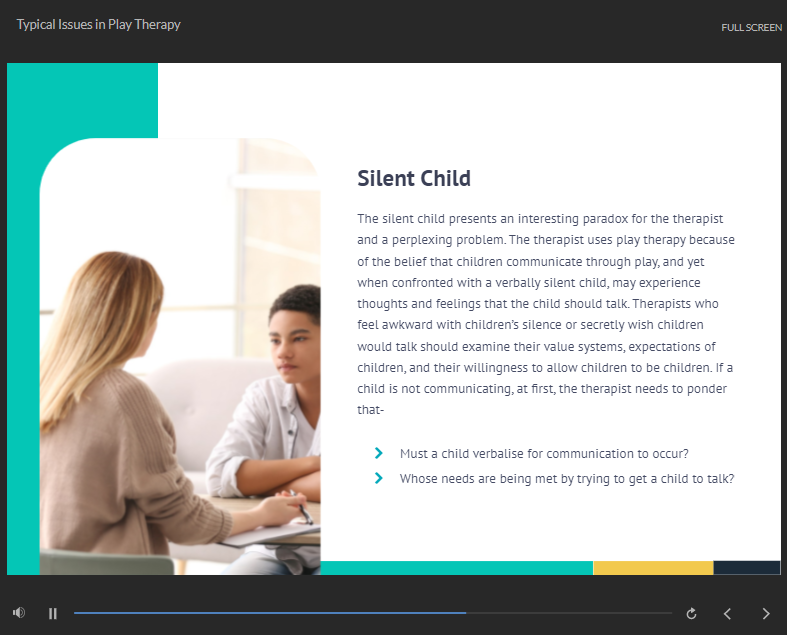
Supporting children experiencing anxiety, grief and behavioural difficulties
Trauma-informed strategies for emotionally vulnerable children
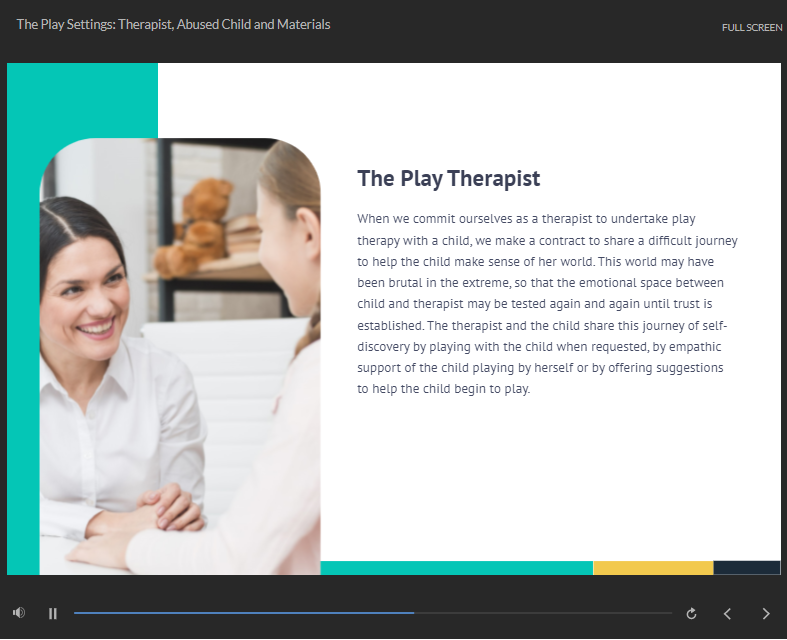
Play therapy considerations for children affected by abuse and neglect
Therapeutic play support for homelessness, instability and displacement
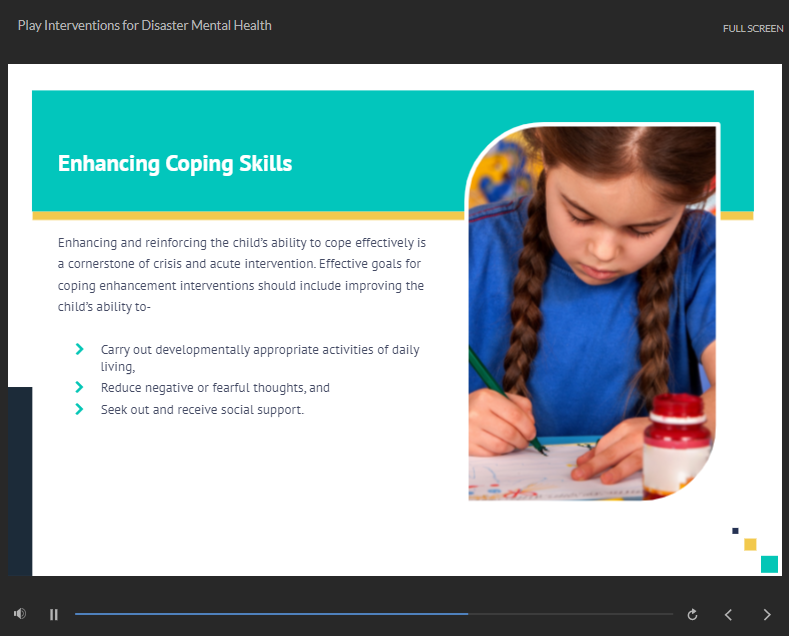
Disaster and crisis-informed play interventions
Case studies, practice insights and emerging trends
By the end of this Play Therapy Course Level 3, you will be able to:Understand the foundational principles and aims of play therapy and therapeutic play
Explain how play therapy supports children’s emotional development and wellbeing
Apply recognised play therapy models and child-centred approaches within appropriate support roles
Plan and structure therapeutic play sessions within safe practice boundaries
Respond to emotional distress and behavioural barriers using supportive, trauma-informed strategies
Use play-based approaches to support children affected by trauma, grief, abuse or instability
Apply safeguarding-aware practice when working with vulnerable children
Observe, reflect on and review play sessions to support positive emotional outcomes
Therapeutic play intervention skills to support children’s emotional wellbeing
Trauma-informed practice foundations for working with vulnerable children
Behaviour regulation and emotional support strategies
Planning and structuring therapeutic play sessions within safe practice boundaries
Observation, reflection and outcome review skills for play-based support
Safeguarding awareness when working with children and young people
Effective communication with parents, carers and professionals
Creating safe, supportive play environments for children experiencing emotional difficulty
This Play Therapy Course Level 3 is ideal for individuals who want to support children’s emotional wellbeing through structured therapeutic play, including:
Teaching assistants, early years practitioners and SEN support staff
Youth workers and social care support professionals
Child wellbeing, mental health and family support workers
Foster carers, adoptive parents and child support volunteers
Aspiring therapeutic play practitioners seeking a recognised CPD foundation
Career changers interested in child mental health and wellbeing roles
No previous qualifications or experience are required — only empathy, commitment and a genuine interest in supporting children in a safe and responsible way.
There are no formal entry requirements for this Play Therapy Course Level 3, making it accessible to learners from a wide range of backgrounds.
To enrol, you should:
Have an interest in children’s mental health, emotional wellbeing and development
Have a basic understanding of the English language
Be motivated to support vulnerable children in a responsible and ethical manner
No previous qualifications, professional experience or therapeutic background are required.
The assessment is straightforward; you need to complete the assignment questions that will be provided to you at the end of this course, you can complete the assignment anytime you want. After you complete and submit your assignment, our tutors will assess your assignment and give you feedback if needed.
After your assignment has been assessed and you have passed, you will be qualified and will be able to apply for a course completion certificate.
Upon completing the course and passing the final assessment, you will be eligible to receive a CPD QS Accredited Certificate from The Teachers Training, which demonstrates your professional knowledge, practical skills, and career readiness. You can select your preferred certificate option at discounted rates, with the Digital CPD Certificate (PDF) available for only £6.99, the Printed Hardcopy Certificate for only £9.99, or both the Digital and Printed Certificates together for just £11.99. This certification will significantly strengthen your CV and enhance your credibility within the education sector. Please note that discounted certificate pricing is available for a limited time only, so be sure to secure your certificate before the offer ends.
Completing this Play Therapy Course Level 3 can support progression into a range of child wellbeing and support roles, including:
Therapeutic Play Assistant / Play Therapy Assistant
Support play-based emotional wellbeing activities under professional guidance
Average UK salary: £20,000 – £25,000
Child Mental Health Support Worker
Support emotional wellbeing and early intervention programmes for children
Average UK salary: £22,000 – £30,000
SEN Teaching Assistant
Support children with additional emotional, behavioural and communication needs
Average UK salary: £18,000 – £28,000
Youth Worker / Social Care Support Worker
Support vulnerable children and young people in community and care settings
Average UK salary: £21,000 – £32,000
Therapeutic Support Worker / Wellbeing Practitioner
Deliver structured wellbeing and emotional support activities
Average UK salary: £22,000 – £32,000
Please note: Becoming a licensed or registered play therapist typically requires additional specialist qualifications and supervised clinical practice.
This CPD-accredited Play Therapy Course Level 3 provides structured training in therapeutic play to support children’s emotional wellbeing and mental health. Designed for UK education, care and support settings, the course equips you with practical knowledge, trauma-informed frameworks and safeguarding-aware techniques to work confidently with children through play.
This Play Therapy Level 3 course focuses on therapeutic play as a recognised child-centred intervention used to support emotional regulation, anxiety, behavioural difficulties and recovery from adverse experiences. You will develop a clear understanding of how play therapy works, when it is used, and how it supports children across schools, SEN provision and care environments.
Through this online play therapy training, you will learn how to plan and deliver structured play-based sessions, interpret emotional themes expressed through play, and apply supportive strategies for vulnerable children affected by trauma, grief, neglect or instability.
If you are looking for a play therapy course, play therapist course, or therapeutic play training that provides a recognised Level 3 foundation, this programme offers a strong CPD pathway into child mental health and wellbeing support roles.
What Is Play Therapy?
Play therapy is a child-centred approach that uses play as a therapeutic medium to help children express emotions, process experiences and develop coping strategies. It is commonly used in UK education, SEN and care settings to support children who may struggle to communicate verbally due to emotional distress, trauma or developmental stage.
This Play Therapy Course Level 3 introduces therapeutic play principles and safe practice boundaries, helping learners understand how play-based support is used responsibly within professional roles.
How Play Therapy Works in UK Child Support Settings
Play therapy uses play as a developmentally appropriate way for children to express feelings they may not be able to explain in words. In UK settings, therapeutic play can be used to support children in schools, early years provision, SEN environments and care contexts by helping to:
Build emotional vocabulary and self-regulation
Reduce anxiety and improve coping strategies
Explore experiences safely through symbolic play
Strengthen confidence, relationships and behaviour support
Identify when children may need additional support or referral
This Level 3 course helps you apply therapeutic play principles responsibly within professional boundaries, with an emphasis on safe practice, safeguarding awareness and supportive intervention.
Course Overview
This Play Therapy Level 3 Certification is structured into professionally designed modules covering therapeutic play principles, child-centred approaches and trauma-support strategies, including:
Core principles, aims and outcomes of play therapy
Models and approaches used in therapeutic play practice
Creating safe play settings and selecting appropriate materials
Supporting children experiencing anxiety, grief and behavioural difficulties
Trauma-informed strategies for emotionally vulnerable children
Play therapy considerations for children affected by abuse and neglect
Therapeutic play support for homelessness, instability and displacement
Disaster and crisis-informed play interventions
Case studies, practice insights and emerging trends
Learning Outcomes
By the end of this Play Therapy Course Level 3, you will be able to:Understand the foundational principles and aims of play therapy and therapeutic play
Explain how play therapy supports children’s emotional development and wellbeing
Apply recognised play therapy models and child-centred approaches within appropriate support roles
Plan and structure therapeutic play sessions within safe practice boundaries
Respond to emotional distress and behavioural barriers using supportive, trauma-informed strategies
Use play-based approaches to support children affected by trauma, grief, abuse or instability
Apply safeguarding-aware practice when working with vulnerable children
Observe, reflect on and review play sessions to support positive emotional outcomes
Skills You Will Gain
Therapeutic play intervention skills to support children’s emotional wellbeing
Trauma-informed practice foundations for working with vulnerable children
Behaviour regulation and emotional support strategies
Planning and structuring therapeutic play sessions within safe practice boundaries
Observation, reflection and outcome review skills for play-based support
Safeguarding awareness when working with children and young people
Effective communication with parents, carers and professionals
Creating safe, supportive play environments for children experiencing emotional difficulty
Who Is This Course For?
This Play Therapy Course Level 3 is ideal for individuals who want to support children’s emotional wellbeing through structured therapeutic play, including:
Teaching assistants, early years practitioners and SEN support staff
Youth workers and social care support professionals
Child wellbeing, mental health and family support workers
Foster carers, adoptive parents and child support volunteers
Aspiring therapeutic play practitioners seeking a recognised CPD foundation
Career changers interested in child mental health and wellbeing roles
No previous qualifications or experience are required — only empathy, commitment and a genuine interest in supporting children in a safe and responsible way.
Entry Requirements For this course
There are no formal entry requirements for this Play Therapy Course Level 3, making it accessible to learners from a wide range of backgrounds.
To enrol, you should:
Have an interest in children’s mental health, emotional wellbeing and development
Have a basic understanding of the English language
Be motivated to support vulnerable children in a responsible and ethical manner
No previous qualifications, professional experience or therapeutic background are required.
Assessment
The assessment is straightforward; you need to complete the assignment questions that will be provided to you at the end of this course. You can complete the assignment anytime you want. After you complete and submit your assignment, our tutors will assess your assignment and give you feedback if needed.
After your assignment has been assessed and you have passed, you will be qualified and will be able to apply for a course completion certificate.
Certification
Upon completing the course and passing the final assessment, you will be eligible to receive a CPD QS Accredited Certificate from The Teachers Training, which demonstrates your knowledge, skills, and career readiness. You can select your preferred certificate option at discounted rates, with the Digital CPD Certificate (PDF) available for only £6.99, the Printed Hardcopy Certificate for only £9.99, or both the Digital and Printed Certificates together for just £11.99. This certification will significantly strengthen your CV and enhance your credibility within the education sector. Please note that discounted certificate pricing is available for a limited time only, so be sure to secure your certificate before the offer ends.

Career Path
Completing this Play Therapy Course Level 3 can support progression into a range of child wellbeing and support roles, including:
Therapeutic Play Assistant / Play Therapy Assistant
Support play-based emotional wellbeing activities under professional guidance
Average UK salary: £20,000 – £25,000
Child Mental Health Support Worker
Support emotional wellbeing and early intervention programmes for children
Average UK salary: £22,000 – £30,000
SEN Teaching Assistant
Support children with additional emotional, behavioural and communication needs
Average UK salary: £18,000 – £28,000
Youth Worker / Social Care Support Worker
Support vulnerable children and young people in community and care settings
Average UK salary: £21,000 – £32,000
Therapeutic Support Worker / Wellbeing Practitioner
Deliver structured wellbeing and emotional support activities
Average UK salary: £22,000 – £32,000
Please note: Becoming a licensed or registered play therapist typically requires additional specialist qualifications and supervised clinical practice.
Schema Markup
FAQ Schema Markup
FAQ - Frequently Asked Questions
This course covers the core principles of play therapy and therapeutic play, including child emotional development, trauma-informed play strategies, behavioural support, safeguarding awareness, and structured play session planning. It also includes learning content on ABA-informed approaches and Art Therapy as supplementary modules to support therapeutic understanding.
Yes. This Play Therapy Course Level 3 is CPD QS Accredited and recognised for professional development across UK education, social care, youth work and child support settings. It is not an Ofqual-regulated qualification.
Yes. The course is 100% online with 24/7 access for 365 days, allowing you to study at your own pace from any location and fit learning around work or personal commitments.
Yes. You can request a Digital or Hardcopy CPD Certificate once you complete the course and pass your assessment.
This course provides a Level 3 foundation in therapeutic play and supports progression into assistant and support roles such as Therapeutic Play Assistant, SEN Support Worker, Youth Worker or Child Mental Health Support roles. Licensed play therapist positions typically require further specialist training and supervised practice.
Yes. Demand for play-based emotional and mental health support continues to grow across UK schools, SEN provision, social care and child wellbeing services, driven by increasing awareness of children’s emotional and behavioural needs.
Yes. The course includes structured learning on supporting children affected by trauma, abuse, neglect, grief, homelessness and displacement, using trauma-informed therapeutic play principles within safe practice boundaries.
Course Curriculum
| Module 01: What is Play Therapy | |||
| What is Play Therapy | 00:29:00 | ||
| Module 02: Advantages and Outcomes of Play Therapy | |||
| Advantages and Outcomes of Play Therapy | 00:17:00 | ||
| Module 03: Models and Approaches of Play Therapy | |||
| Models and Approaches of Play Therapy | 00:27:00 | ||
| Module 04: The Play Settings: Therapist, Abused Child and Materials | |||
| The Play Settings: Therapist, Abused Child and Materials | 00:32:00 | ||
| Module 05: Typical Issues in Play Therapy | |||
| Typical Issues in Play Therapy | 00:37:00 | ||
| Module 06: Play Therapy for Sexually and Emotionally Abused Children | |||
| Play Therapy for Sexually and Emotionally Abused Children | 00:33:00 | ||
| Module 07: Play Therapy for Children Who are Homeless | |||
| Play Therapy for Children Who Are Homeless | 00:20:00 | ||
| Module 08: Play Interventions for Disaster Mental Health | |||
| Play Interventions for Disaster Mental Health | 00:22:00 | ||
| Module 09: Case Studies and Recent Trends in Play Therapy | |||
| Case Studies and Recent Trends in Play Therapy | 00:25:00 | ||
COURSE REVIEWS
Course Reviews
5
- 5 stars0
- 4 stars0
- 3 stars0
- 2 stars0
- 1 stars0
No Reviews found for this course.
Related Courses

Crisis and Trauma Counselling in Early Childhood
£279Original price was: £279.£19.99Current price is: £19.99.8

Mental Health and Psychiatry Training
£279Original price was: £279.£19.99Current price is: £19.99.2695